April is Oral Cancer Awareness Month, which aims to raise awareness about the importance of early detection and prevention of oral cancer. Oral cancer is a type of cancer that develops in the mouth, tongue, lips, and throat. It can be a serious and life-threatening disease if not detected and treated early.
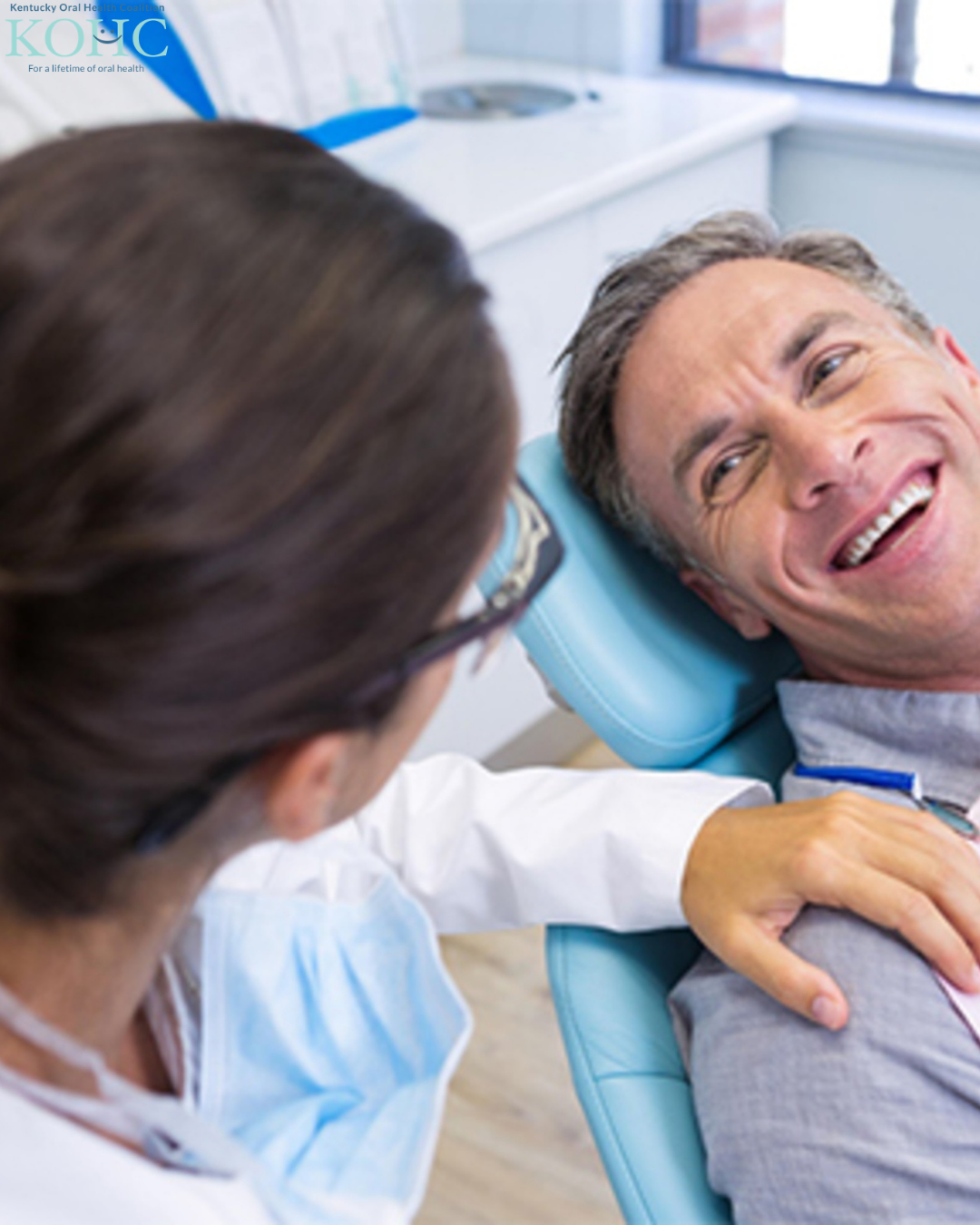
Regular oral cancer screening is important to detect signs of cancer early. Oral cancer screening is a simple and painless process that involves examining the mouth, throat, and neck for any signs of cancer or precancerous lesions. This can be done by a dentist or doctor, and it is recommended that adults get screened at least twice a year – which can occur at a routine dental visit. During these check-ups, your dentist can examine your mouth for any signs of oral cancer or other dental issues, such as gum disease or tooth decay. Regular dental check-ups also allow for early detection and treatment of any issues, which can help prevent more serious and costly dental problems down the line.
While regular screening by a healthcare professional is important, you can also do a basic oral cancer screening at home. Here are some steps to follow:
- Look in the mirror and examine your mouth, tongue, lips, and gums for any unusual lumps, bumps, or sores that have been present for more than two weeks.
- Use your fingers to feel for any lumps or swelling in your neck or under your jaw.
- Check the roof of your mouth and the back of your throat with a flashlight.
If you notice any abnormalities or are concerned about any symptoms you are experiencing, it is important to schedule an appointment with your dentist or other healthcare professional for further evaluation. In addition to performing at home screenings, everyone can take steps to reduce their risk of developing oral cancer, including:
- Quit smoking and avoid all tobacco products. Tobacco use is one of the leading causes of oral cancer.
- Limit alcohol consumption. Drinking alcohol excessively increases the risk of oral cancer, especially when combined with tobacco use.
- Protect your skin and lips from the sun. Sun damage to the lips can increase the risk of lip cancer. Use a lip balm with an SPF of 30 or higher, wear a wide-brimmed hat, and avoid tanning beds.
- Get vaccinated against the human papillomavirus (HPV). HPV is a sexually transmitted virus that can cause oral cancer. The HPV vaccine is recommended for both boys and girls between the ages of 9 and 26.
- Practice good oral hygiene. Brush your teeth twice a day, floss daily, and visit your dentist regularly for checkups and cleanings.
Oral cancer is a serious disease that can be prevented or treated successfully with early detection. By taking simple steps to maintain good oral health and screening at home, we can all work to reduce the risk of oral cancer and other dental issues.
Check out our step by step guide for at-home oral cancer screenings in English and Spanish.