Diana Leathers, MPH, RDH, MCHES®
Health Equity and Community Mobilization Manager
Lincoln Trail District Health Department, Guest Contributor
As a public health agency, Lincoln Trail District Health Department (LTDHD), is committed to reducing health disparities in the communities we serve which include Hardin, LaRue, Marion, Meade, Nelson, and Washington counties. Health disparities are the preventable differences in health outcomes related to social, economic, and environmental disadvantages. One such disparity is oral health outcomes among adults with intellectual and developmental disabilities (IDD).
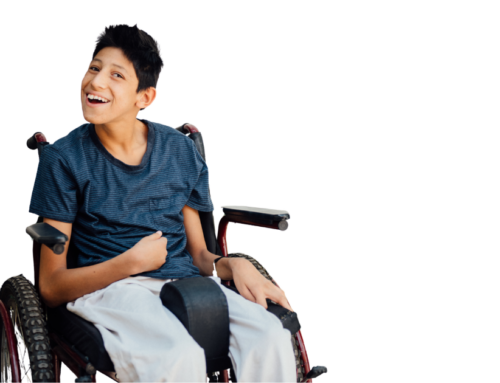
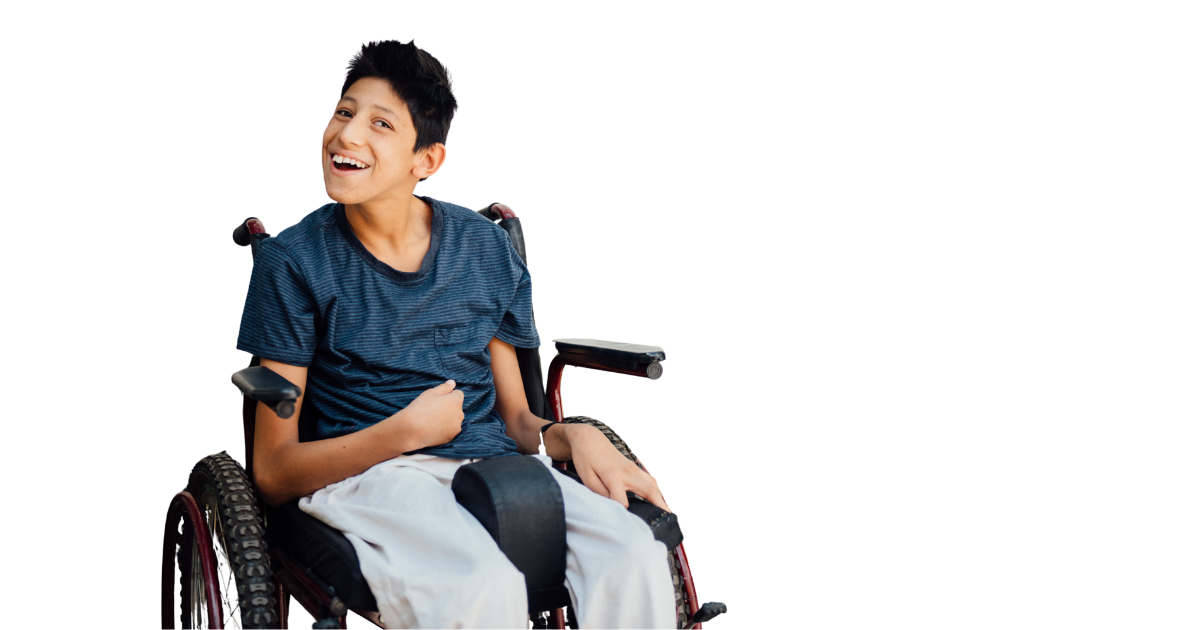
According to the Center for Disease Control and Prevention (CDC), 34% or 1 in 3 adults in Kentucky live with a disability; 16% live with a functional mobility disability and 17% live with a cognition disability. Research has shown that these individuals experience higher rates of poor oral health compared to those without disabilities, making them more susceptible to unnecessary dental pain and tooth loss. Communication limitations can affect these individuals as well, allowing dental problems to go undetected for longer periods of time leading to health complications and poor quality of life. To complicate this issue further, there are limited dental providers in Kentucky who accept patients with Medicaid insurance, the coverage most individuals with IDD rely on, to ensure they receive routine preventative dental care.
To address this disparity and raise awareness of the importance of good
oral health for adults with IDD, LTDHD recently partnered with Communicare, one of fourteen community mental health centers in Kentucky, through a funding partnership with the Kentucky Oral Health Coalition. Three dental education sessions were provided to individuals and caregivers in the Community Habilitation and Vocational Services program located in Hardin, Marion, Meade, and Nelson County. Approximately 100 participants and 62 caregivers participated in the sessions from April – July 2024, exploring topics related to tooth decay, gingivitis and gum disease, and good dental habits.
Prior to the start of these education sessions, pre-tests were completed to collect demographic information and determine current levels of dental knowledge and oral health behaviors. Questions included: Do you brush your teeth every day?; Do you clean between your teeth every day?; Do you drink sodas or juice throughout the day?; Do you drink water throughout the day?; How long should you brush your teeth?; How many times each day should you brush your teeth?; and Which drink has no sugar in it?
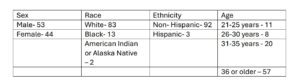
Due to vision, cognitive, and physical limitations among many participants, caregivers were needed to assist in completing these tests. The following demographic data was collected:
Because individuals in this program do experience a wide range of disabilities, a creative approach to teaching had to be implemented to ensure all participants could be engaged. Visual, sensory, and cognitive formats were incorporated into each lesson plan which included science experiments demonstrating how plaque grows and the harmful effects of acid attacks on tooth enamel, hands-on activities such as brushing tooth models, and colorful video clips highlighting sugar, bacteria, and bad breath.
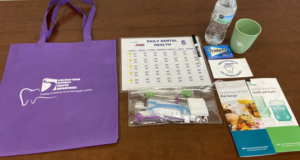
Following the last session each participant received a resource bag with the necessary tools for maintaining good oral hygiene at home including a daily dental habit chart, a mirror cling to serve as a visual reminder to brush and floss daily and visit the dentist, a toothbrush, flossing aids, a cup for rinsing, and pamphlets with pictures to provide visual reminders of lessons.
Caregiver sessions included introducing them to a variety of dental cleaning aids to assist in daily oral hygiene with their clients as well as guides for every day dental care for people with developmental disabilities, information about caring for dentures, fluoride basics, and tobacco cessation resources. An updated list of dental practices in the local area who accept Medicaid insurance was also shared with caregivers and families, including two specialty clinics in Kentucky which provide dental services specifically to adults with IDD.
After completing all sessions, post-tests using the same questions were given to participants. Results did show an increase in correct responses regarding how many times teeth should be brushed each day and for how long, as well as identifying which drink has no sugar in it, however, LTDHD could not control the distribution of the post-tests. Because many individuals in Communicare’s program do not participate each day, ensuring the same individuals received the pre- and post-test could not be guaranteed limiting any true comparison for increased knowledge or improved dental behaviors.
Even with a few minor challenges, this grant project was considered very successful by both Communicare and LTDHD in raising awareness of the disparity of oral health outcomes for adults with IDD. By creating new avenues for dental education for these individuals and their caregivers, as well as providing needed dental resources, we are hopeful they will have a better chance of good oral health and receiving the care they need to stay happy and healthy.