This year’s KOHC September Quarterly meeting convened virtually on Friday, September 12th, and featured a robust agenda of presentations and discussions focused on methods and strategies to improve the oral health of all Kentuckians.
Alicia Whatley, Senior Policy and Advocacy Director for Kentucky Youth Advocates (KYA) and Project Lead for KOHC, kicked off the meeting and invited Dr. Jerry Caudill, national Vice President of Dental Services and Kentucky State Dental Director for Avesis to frame the context for the first presentation regarding the use of mobile anesthesia services for pediatric oral surgery needs. Dr. Caudill explained that about seven years ago, after a deluge of calls from providers who complained that they could not get access to operating rooms for their pediatric dental patients, he worked with all the MCOs in Kentucky to allow Smile MD to offer mobile anesthesia so that children would not have to wait months in pain to have their needs met.
Dr. Brian Schloss, Chief Medical Officer with OFFOR Health – which offers the Smile MD mobile anesthesia program, said that wait times across the country for operating rooms in hospitals and surgery centers to serve pediatric dental patients with Medicaid are commonly between six and eighteen months long, and that some completely refuse pediatric dental surgeries funded through Medicaid due to low reimbursement rates. This causes a snowball effect of issues for children with worsening health, increased pain and antibiotic use, nutrition issues, school absences, poor psychological development, as well as missed work for parents. He explained that insurers are increasingly recommending in-office anesthesia for the cost benefits, but that patients also typically prefer the convenience of an office setting. Dr. Schloss listed careful patient selection, proliferation of safety checklists, adherence to national guidelines, and accreditation among the reasons that in-office anesthesia has proven to be safe and effective.
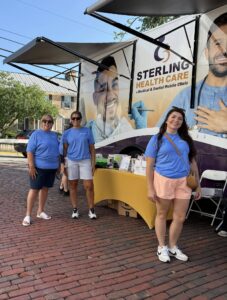
Dr. Chris Casterline, a dentist with Sterling Health Care – along with colleagues Sandy Gifford, Mobile Clinic Coordinator, and Florence Mahoney, CFO – presented information about their mobile dentistry unit. Sterling Health Care is a non-profit federally qualified health center (FQHC) that treats patients in five counties in eastern Kentucky regardless of their ability to pay. Sterling offers multiple health and community services to their communities, and for about five months has been able to offer mobile dentistry as well. They serve counties with severe dental workforce shortages but have managed to fully staff their mobile unit and hope to expand into other needed areas as they progress.
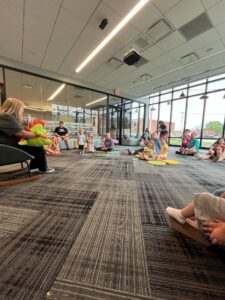
Rhonda Collins, PHRDH – Dental Hygienist and Tabitha Hughes, Community Dental Health Coordinator – both from the Lawrence County Health Department – presented information about their Smile Savers program. Established in 2015, they now visit six schools throughout the year and work closely with community partners and FRYSCs, providing prophylaxis cleaning, sealants, and fluoride varnish treatments. They provide many referrals to help ensure children have a dental home and work with families to encourage healthy habits. Lawrence County is among the rural areas disproportionately affected by Kentucky’s dental poverty crisis, but Rhonda has noticed more children coming to them who have evidence of having seen a dentist, which is encouraging that families are more aware and receptive to available resources.
Next KOHC members and advocates weighed in regarding what impacts they are seeing and anticipating and what strategies they are finding useful regarding changes to federal Medicaid policies:
- Impacts:
- Anticipation that dental clinics will lose patients who cannot manage the pace of increased paperwork and work requirements, which will have a cascading effect on the sustainability of helpful programs
- No foreseeable opportunities for federal grant funding to cover pending financial losses
- Strategies:
- Use of community health workers to reach out to patients to walk them through changes and let them know they are still welcome even if they lose coverage
- Kentucky Voices for Health is creating an implementation toolkit for providers and CBOs and plans to update as more information is available
Alicia then facilitated a discussion around how KOHC can direct its energy during the 2026 Kentucky legislative session. Key policies of interest were community water fluoridation, expanding Public Health Registered Dental Hygienist (PHRDH) practice settings to FQHCs, and Medicaid budget investments.
Members shared their own updates, and the meeting concluded with an appreciation to CareQuest for their support, and a reminder to sign up for the free training on Pediatric Abusive Head Trauma, as well as to register for the upcoming In-Person December Annual Meeting in Louisville.
Immediately following the September Quarterly Meeting from 10:00am ET to 12:00pm ET, participants had the option to join the American Institute of Dental Public Health (AIDPH) Veteran Oral Health Virtual Road Tour webinar from 12:00pm ET – 1:00pm ET.
View a recording of the meeting on the KYA Youtube channel Oral health playlist. View the slide deck.